

By Emily Thibodeaux
Economic Frustration Grows
Most U.S. adults describe current economic conditions as only fair or poor. Just over a quarter say things are excellent or good, a share that has slipped among both political parties. Concerns are high around inflation, particularly food, energy, and housing costs. While real GDP grew about 2% in recent quarters, many feel wage gains haven’t kept pace with rising prices and housing remains out of reach for a large share of households. The federal budget deficit and federal policies are also under increasing scrutiny. (Data: surveys & federal reports, mid-2026.)
Politics and Parties: No Clear Advantage
With the midterm elections approaching, public preferences are more split than unified. Neither major party holds a strong lead on the economy, foreign policy, or immigration. Republicans retain an edge on crime policy, while Democrats are seen more favorably on healthcare, education, the environment, and abortion policy. Both independents and swing voters are expressing impatience over what they view as broken promises and lack of responsiveness.
Trust, Institutions, and the Midterm Stakes
Trust in U.S. institutions—Congress, the Supreme Court, federal agencies—remains low. Confidence hovers below 30% for many national bodies. Key issues—such as election integrity, the federal deficit, and the cost of healthcare—are viewed by majorities as very serious, cutting across party lines. For many voters, these issues will be deciding factors this fall. When citizens perceive declining institutional trust and economic uncertainty, turnout tends to rise—especially among those who feel left behind.
What Local Voters in Lafayette Might Want to Know
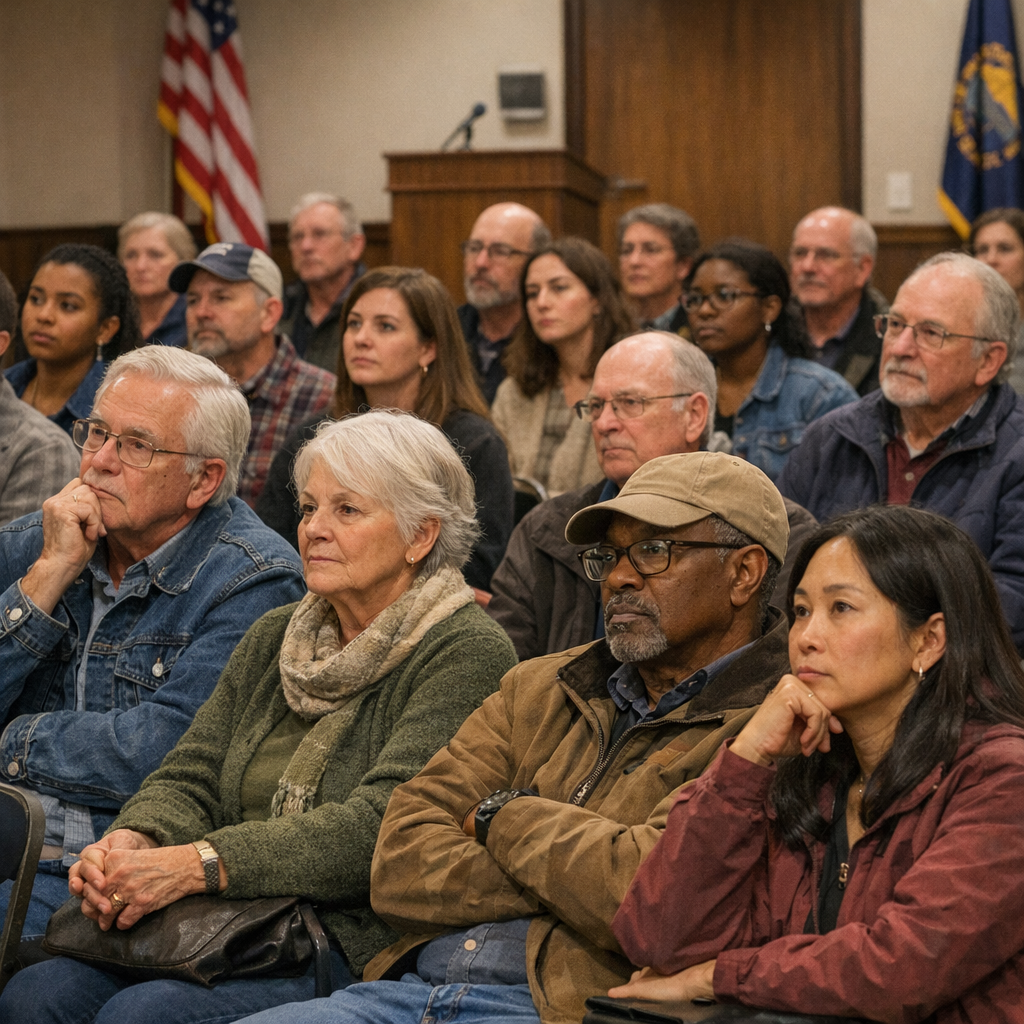
In Lafayette, these national trends translate into rising concerns over household budgets: grocery bills, fuel for travel, energy costs, healthcare out-of-pocket expenses. While federal economic indicators may show stability, day-to-day life feels squeezed. Locally, candidates will likely hear questions about how policies on tariffs, energy production, and social safety nets affect real costs here. Lafayette voters, like many elsewhere, want policy solutions—not rhetoric.
As this fall’s midterm elections draw near, Americans face a pivotal moment: one where economic realities, party trust, and institutional accountability are at the center of political choices.