

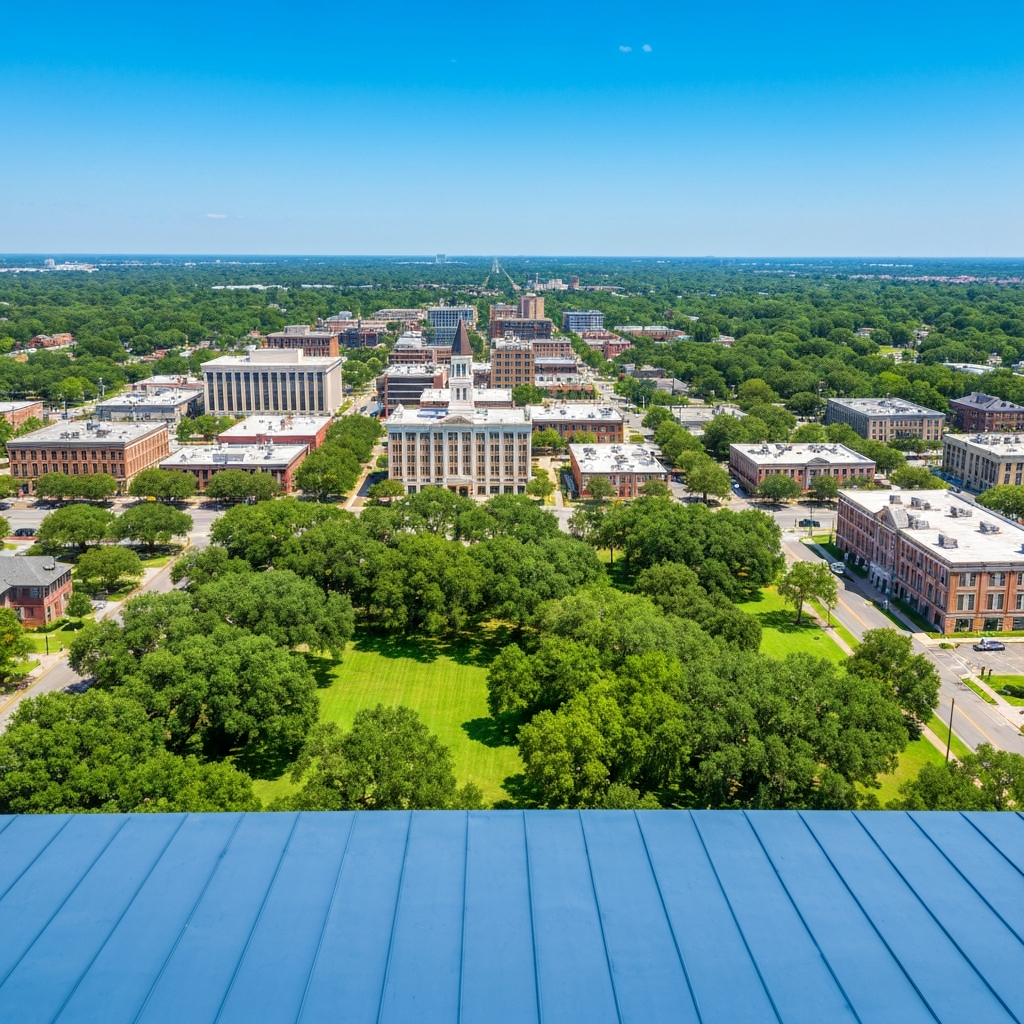
Lafayette, Louisiana, is characterized by a humid subtropical climate, offering residents and visitors a diverse range of weather conditions throughout the year. Understanding these patterns can help in planning activities and appreciating the unique environmental aspects of the region.
Seasonal Weather Patterns
Spring (March to May)
Spring in Lafayette brings mild temperatures, with average highs ranging from 71.9°F in March to 84.7°F in May. This season is often moist, with the possibility of severe weather, including thunderstorms. It’s an ideal time for outdoor activities before the onset of summer heat.
Summer (June to August)
Summers are hot and humid, with average highs peaking around 91.6°F in August. Afternoon showers and thunderstorms are common, providing brief relief from the heat. The region also remains vigilant during hurricane season, which spans from June 1 to November 30.
Fall (September to November)
Autumn offers a reprieve from the summer heat, with temperatures gradually decreasing. September sees average highs of 88.0°F, cooling to 70.9°F by November. This period is typically drier, making it favorable for various outdoor events and festivals.
Winter (December to February)
Winters are generally mild, with average lows around 42.1°F in January. While snowfall is rare, occasional cold fronts can bring temperatures below freezing. Residents should be prepared for brief cold spells during these months.
Environmental Considerations
Lafayette’s environment is influenced by its climate and human activities. The Lafayette Consolidated Government’s Environmental Quality Division works to improve the quality of life through recycling, composting, and household waste programs. They also enforce local environmental codes and ensure compliance with state and federal regulations.
Residents are encouraged to participate in these programs and adhere to guidelines to maintain the city’s environmental health. For instance, proper disposal of waste and participation in recycling initiatives can significantly impact the community’s sustainability efforts.
By understanding Lafayette’s climate and engaging in proactive environmental practices, residents and visitors can contribute to preserving the region’s natural beauty and ensuring a high quality of life for all.